When Cool Air Isn't Enough: The Hidden Humidity Battle Inside Your Home
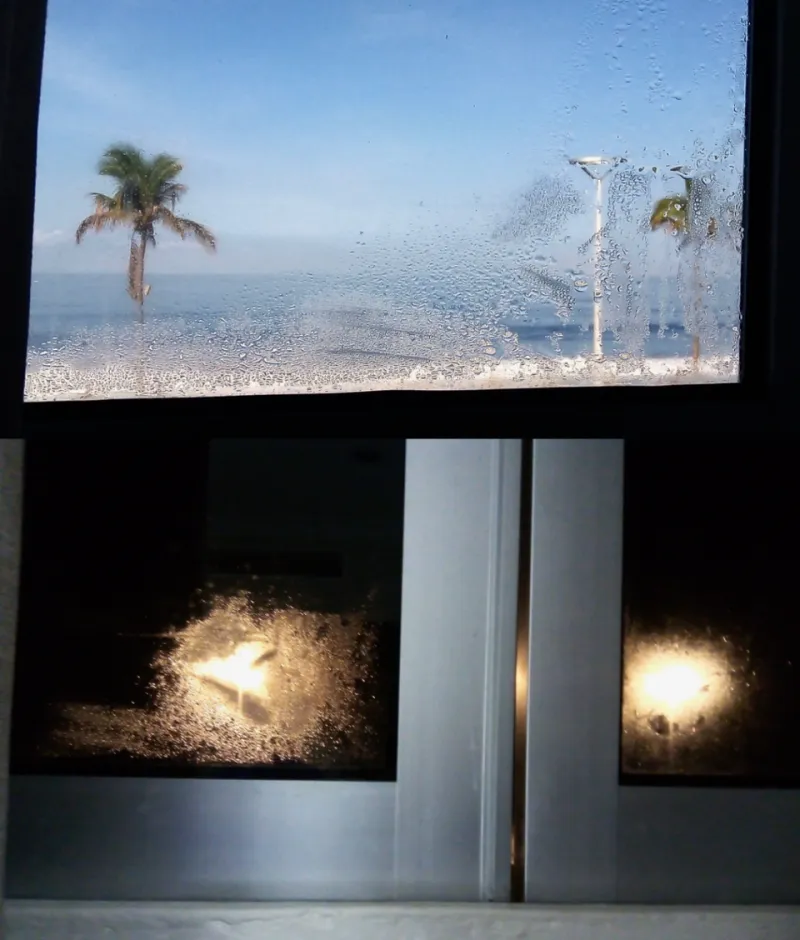
Photo: Couch-scratching-cats, Public domain, via Wikimedia Commons
There is a particular kind of discomfort that is difficult to describe but immediately recognizable: the feeling of walking into a room that reads 72°F on the thermostat yet still feels heavy, sticky, and oppressive. Clothing clings. The air seems thick. A faint mustiness lingers near baseboards and corners. The air conditioner is clearly running, yet something is unmistakably wrong.
This experience is more common than most homeowners realize, and it points to a distinction that rarely receives adequate attention: cooling a space and dehumidifying a space are not the same thing. An air conditioning system that performs one function well may fall short on the other — and the consequences extend well beyond personal comfort.
What Dehumidification Actually Requires
Air conditioning systems remove moisture from the air as a byproduct of the cooling process. As warm indoor air passes over the evaporator coil, the coil's cold surface causes water vapor to condense and drain away — much like condensation forming on the outside of a cold glass on a summer afternoon. This process requires time. The air must remain in contact with the coil long enough for meaningful moisture extraction to occur.
This is where the concept of run time becomes critical. A properly sized system runs in longer, sustained cycles that allow the coil to do its full job — lowering both temperature and humidity. A system that cycles on and off rapidly may cool the air quickly, but it does not run long enough to draw out significant moisture. The result is a space that reaches the target temperature while retaining uncomfortable levels of humidity.
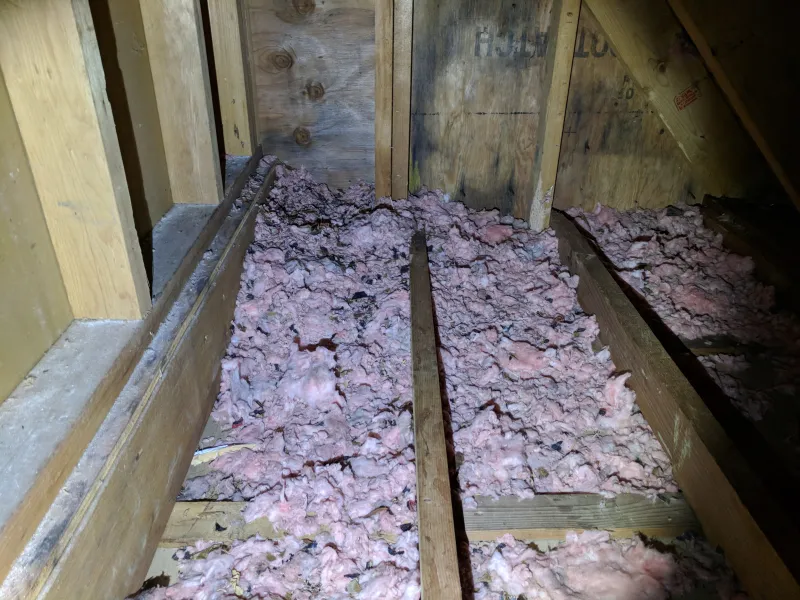
The Environmental Protection Agency recommends maintaining indoor relative humidity between 30% and 50%. When humidity climbs above 60%, the air begins to feel noticeably uncomfortable, and conditions become favorable for mold growth, dust mite proliferation, and deterioration of wood surfaces, insulation, and building materials.
The Oversized AC Problem
One of the most frequent causes of inadequate dehumidification is an air conditioning unit that is too large for the space it serves. This may seem counterintuitive — more capacity should mean better performance, right? In practice, an oversized system cools a space so rapidly that it satisfies the thermostat's temperature demand almost immediately, then shuts off before completing a full dehumidification cycle. HVAC professionals refer to this as short cycling.
Short cycling is problematic for multiple reasons. Beyond the humidity issue, it causes excessive wear on the compressor and other mechanical components, shortens the system's overall lifespan, and drives up energy costs through the repeated energy spikes associated with startup. A system that runs fewer, longer cycles is almost always preferable to one that starts and stops constantly.
The only reliable way to determine the correct system size for a given property is through a formal load calculation — a process that accounts for square footage, ceiling height, insulation quality, window placement, local climate data, and occupancy patterns. Selecting equipment based on square footage alone, or simply replacing an old unit with one of identical capacity, often perpetuates an existing sizing error.
Airflow and Its Role in Moisture Control
Even a correctly sized system can struggle with humidity if the airflow through the system is compromised. Restricted airflow — caused by dirty air filters, blocked return vents, collapsed duct sections, or an undersized duct network — reduces the volume of air passing over the evaporator coil. This leads to two related problems: the coil may freeze, and the system's ability to extract moisture diminishes substantially.
Additionally, air that moves too slowly through the system spends more time in contact with surfaces that may have already warmed slightly, reducing the efficiency of heat and moisture transfer. Conversely, air moving too quickly through an oversized system does not spend sufficient time at the coil to allow condensation to form.
Professional duct inspection and airflow testing can identify these imbalances before they become chronic comfort complaints. In many cases, relatively straightforward corrections — sealing duct leaks, replacing undersized return grilles, or reconfiguring supply registers — can meaningfully improve a system's dehumidification performance without requiring equipment replacement.
Recognizing the Signs of a Humidity Problem
Homeowners are not always certain whether their discomfort is temperature-related or humidity-related. Several indicators point specifically toward excess moisture in the indoor environment:
- Condensation on interior windows, particularly during cooler mornings, suggests that the indoor dew point is too high.
- A persistent musty odor, even in the absence of visible mold, often indicates elevated humidity in wall cavities, crawl spaces, or behind finished surfaces.
- Wood floors that warp, swell, or develop gaps are responding to moisture fluctuations in the air.
- Allergy or asthma symptoms that worsen indoors may be linked to dust mite populations, which thrive in humid conditions.
- Paint that peels or bubbles on interior walls, particularly in bathrooms and kitchens, can signal chronically high humidity levels.
A simple, inexpensive hygrometer — available at most hardware stores — can provide a baseline humidity reading. If readings consistently exceed 55% to 60% during the cooling season, the issue warrants professional evaluation.
Solutions Beyond the Thermostat
Addressing a humidity problem typically involves one or more of the following approaches, depending on the root cause identified during a professional assessment.
System right-sizing remains the most impactful long-term solution when the existing equipment is fundamentally mismatched to the structure. This may involve replacing an oversized unit with one selected through proper load calculation methods.
Variable-speed air handlers offer a meaningful advantage over single-stage equipment in humid climates. By operating at lower speeds for extended periods, these systems maintain longer coil contact times and extract significantly more moisture from the air during each cycle.
Whole-home dehumidifiers, installed in-line with the existing HVAC system, provide dedicated moisture control independent of the cooling cycle. These units are particularly valuable in climates where humidity remains high even when outdoor temperatures are moderate — conditions under which running the air conditioner solely to manage humidity is both inefficient and costly.
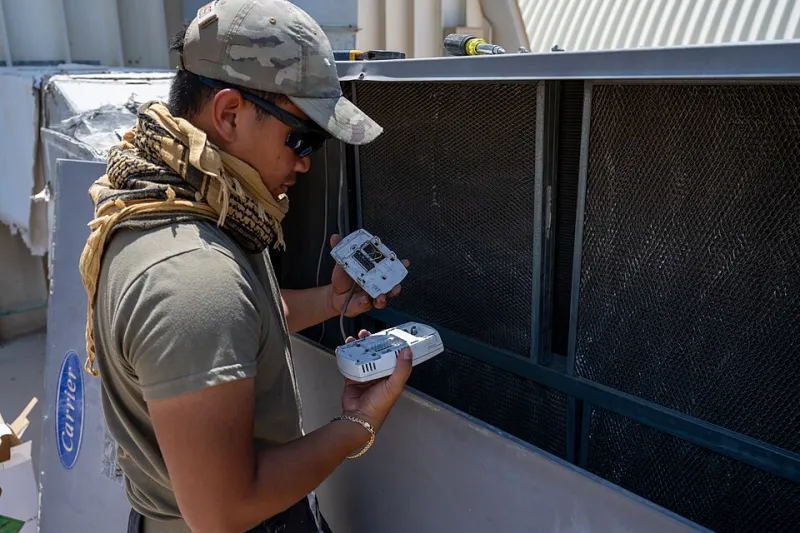
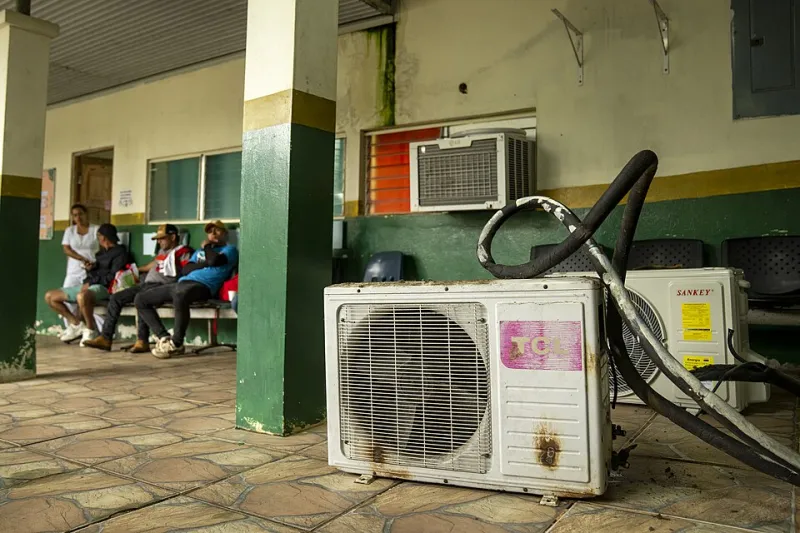
Routine maintenance, including coil cleaning, filter replacement, and drain pan inspection, preserves a system's dehumidification capacity over time. A dirty evaporator coil transfers heat and moisture far less efficiently than a clean one, and a clogged condensate drain can reintroduce removed moisture back into the living space.
Comfort Is More Than a Number on a Screen
Temperature is measurable and visible. Humidity is neither — it registers as a feeling rather than a figure, which is perhaps why it receives less attention in conversations about home comfort. Yet for many households, particularly those in the southeastern and mid-Atlantic United States where summer humidity levels are routinely high, moisture control is at least as important as temperature management.
An air conditioning system that cools effectively but dehumidifies poorly is only doing half its job. Addressing that gap is not merely a matter of comfort — it is a matter of protecting the structure, the occupants, and the equipment itself.
If your home consistently feels damp or heavy despite a functioning air conditioner, the issue is unlikely to resolve on its own. A professional evaluation of your system's sizing, airflow, and maintenance status can identify the specific factors at work and outline a practical path toward a home that feels as comfortable as the thermostat suggests it should.