Why Your Thermostat Says 72°F But Your Home Feels Nothing Like It
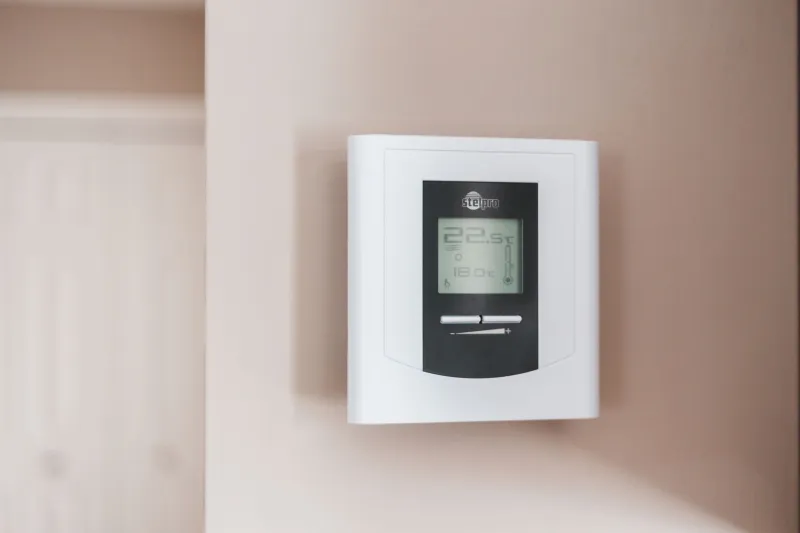
There is a particular frustration that many homeowners know well: you set the thermostat to a reasonable temperature, the system runs its cycle, and yet the comfort you expected simply does not materialize. One room feels stuffy. Another feels cold. The living room seems fine, but the bedroom upstairs is a different climate entirely. The thermostat reads exactly what you programmed, but your experience tells a different story.
This disconnect is more common than most people realize, and it rarely points to a single cause. In most cases, a combination of factors—sensor placement, equipment calibration, smart device configuration, and air distribution—works together to create a home environment that defies what the controls suggest. For homeowners trying to understand why their system seems to be working but comfort remains elusive, the explanation often lies somewhere the thermostat itself cannot see.
The Problem With Where Your Thermostat Is Installed
A thermostat can only measure the air immediately surrounding it. If that location is not representative of the broader living space, every reading it produces will be skewed—and every decision your HVAC system makes based on that reading will be slightly or significantly off.
Common placement issues include thermostats installed near exterior doors, in hallways that receive little occupancy, adjacent to kitchen appliances that generate heat, or on walls exposed to direct sunlight for part of the day. In each of these scenarios, the sensor is reacting to a localized condition rather than the true average temperature of your home.
For example, a thermostat mounted on a south-facing wall may read several degrees warmer than the rest of the house during afternoon hours. The system responds by running longer cooling cycles, overcooling other areas of the home while the thermostat's immediate environment finally reaches the setpoint. The result is discomfort that seems inexplicable because the numbers always look correct.
Relocating a thermostat is not a simple task—it involves electrical work, wall patching, and potentially reconfiguring your HVAC control wiring. A qualified technician can assess whether placement is contributing to your comfort issues and recommend a better position.
Calibration Drift and Why Older Thermostats Lie
Analog and older digital thermostats are subject to calibration drift over time. The internal sensors that measure air temperature can become less accurate as the device ages, particularly in environments with high humidity, significant dust accumulation, or temperature extremes. A thermostat that once read accurately may now be consistently off by two, three, or even five degrees without displaying any visible sign of malfunction.
This drift is insidious precisely because there is no error message, no warning light, and no obvious symptom beyond persistent discomfort. Homeowners often spend months adjusting their setpoints upward or downward to compensate, never realizing the underlying instrument is simply no longer reliable.
Professional HVAC technicians carry calibrated reference instruments that can be compared against your thermostat's reading in real time. If a meaningful discrepancy is identified, the thermostat may need recalibration or replacement. Given how central the thermostat is to your system's entire operation, even a modest calibration error can have a disproportionate effect on both comfort and energy efficiency.
Smart Thermostats: When More Features Create More Problems
Smart thermostats have become standard in many American homes over the past decade, and for good reason—when configured correctly, they offer genuine efficiency gains and convenient remote control. However, the same features that make them powerful can also introduce new sources of misconfiguration.
Learning algorithms, geofencing, occupancy detection, and scheduling features all operate on assumptions about how your household behaves. When those assumptions are wrong—because the device was set up hastily, because household routines changed, or because the system learned from an unusual period of use—the result can be a thermostat that is actively working against your comfort without your awareness.
Consider a smart thermostat that has learned to pre-cool the home before occupants typically arrive. If that schedule no longer matches your actual routine, the system may be running aggressive cycles at times that create uncomfortable conditions, then coasting when you actually need it most. Similarly, if geofencing is set up incorrectly, the thermostat may believe the home is unoccupied when it is not, allowing temperatures to drift significantly before correcting.
A thorough review of your smart thermostat's settings, schedules, and learned behaviors—ideally performed by someone familiar with the specific platform—can often resolve comfort issues without any physical changes to the equipment.
The Air Distribution Factor: When the Problem Is Not the Thermostat at All
Perhaps the most frequently overlooked contributor to thermostat-versus-comfort discrepancies is the distribution of conditioned air throughout the home. Your thermostat may be functioning perfectly and reading accurately, yet significant portions of your living space remain uncomfortable because the air your system conditions never reaches them effectively.
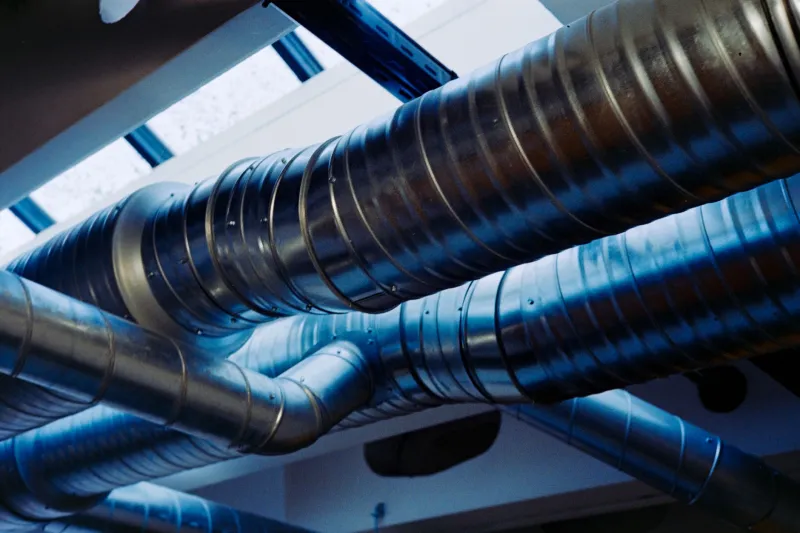
Leaking or undersized ductwork, closed or blocked registers, poorly balanced dampers, and inadequate return air pathways can all create pronounced temperature variations between rooms. In a two-story home, for instance, the upper level frequently runs warmer in summer because heat rises and because duct runs to upper floors are often longer and less efficient. The thermostat, typically located on the main floor, satisfies its setpoint while the bedrooms upstairs remain noticeably warmer.
Similarly, rooms at the far ends of duct runs—sometimes called the last rooms on the line—may receive significantly less airflow than rooms near the air handler. Over time, as ducts develop small leaks or as insulation deteriorates, these imbalances tend to worsen.
Addressing air distribution issues may involve duct sealing, damper adjustment, the addition of supplemental zoning equipment, or in some cases a full duct system evaluation. These are not DIY-friendly repairs. They require diagnostic tools, pressure measurements, and an understanding of how your specific system was designed to operate.
When to Stop Adjusting and Start Diagnosing
Many homeowners spend years incrementally adjusting their thermostat settings, adding fans, closing vents, or simply tolerating discomfort—never realizing that a professional diagnostic visit could identify and resolve the underlying issue in a single appointment.
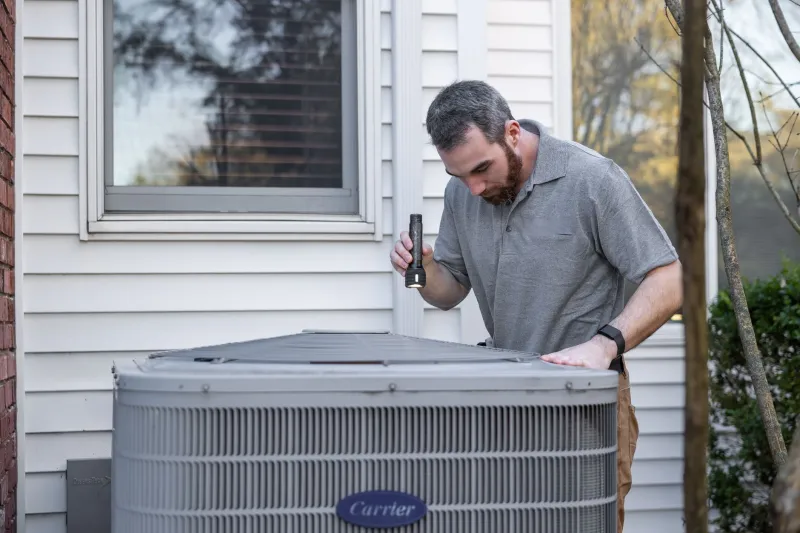
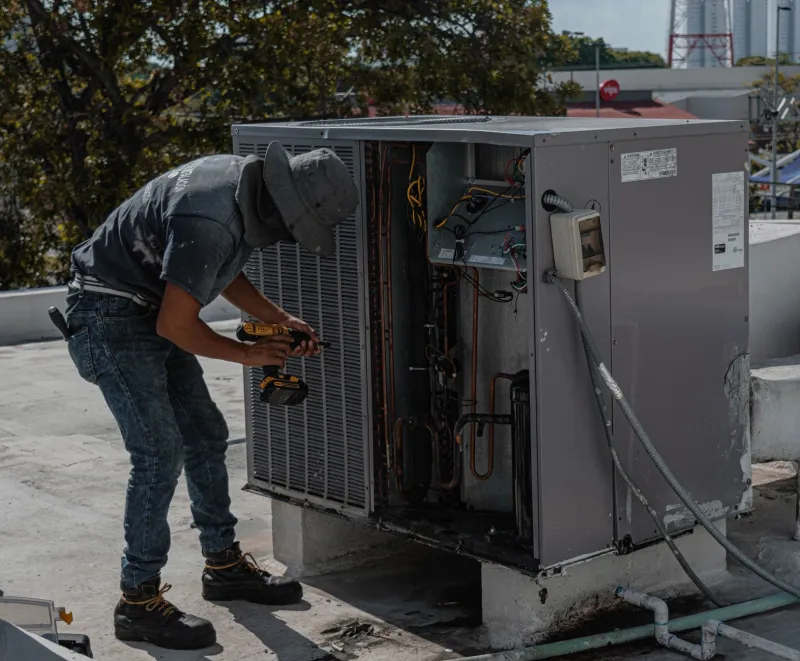
If you find yourself consistently unable to achieve comfort despite what appear to be correct thermostat settings, it is worth scheduling a comprehensive HVAC evaluation. A qualified technician can assess thermostat placement and calibration, review smart thermostat configurations, measure airflow at registers throughout the home, and identify duct system deficiencies that standard operation would never reveal.
The goal of any well-functioning HVAC system is not simply to reach a number on a display—it is to deliver consistent, livable comfort to every area of your home. When those two things are not aligned, the thermostat is often the starting point for the investigation, but rarely the end of it.
At Mast Air Conditioning, our technicians are equipped to work through the full range of factors that influence real-world comfort, not just what the controls report. If your home has felt off despite readings that look right, we are ready to help you find out why.