Where Your HVAC System Lives Matters More Than You Think
When homeowners invest in a new HVAC system, the conversation typically centers on SEER ratings, brand reputation, and equipment size. Rarely does the discussion turn to one of the most consequential decisions of the entire installation process: where, physically, the equipment will be placed. Yet the location of your HVAC components—whether in an attic, basement, crawlspace, or garage—can determine how efficiently the system runs, how long it lasts, and how consistently your home stays comfortable.
At Mast Air Conditioning, we have seen firsthand how a well-chosen system installed in the wrong environment can begin deteriorating almost from day one. The equipment itself may be flawless. The installation workmanship may be excellent. But if the surrounding conditions are hostile, none of that matters as much as it should.
The Attic: Convenience at a Steep Cost
Attic installations are common across the United States, particularly in warmer climates like the South and Southwest where basements are rare. Placing air handlers and ductwork in the attic keeps equipment out of living spaces and simplifies certain aspects of installation. However, the attic is one of the harshest environments a mechanical system can endure.
During summer months, attic temperatures in many U.S. regions routinely exceed 130°F to 150°F. An air handler working to cool your home to 75°F is doing so while surrounded by air that is nearly twice as hot. This forces the system to work dramatically harder than it was engineered to, accelerating wear on components, increasing energy consumption, and shortening the lifespan of critical parts like the blower motor and evaporator coil.
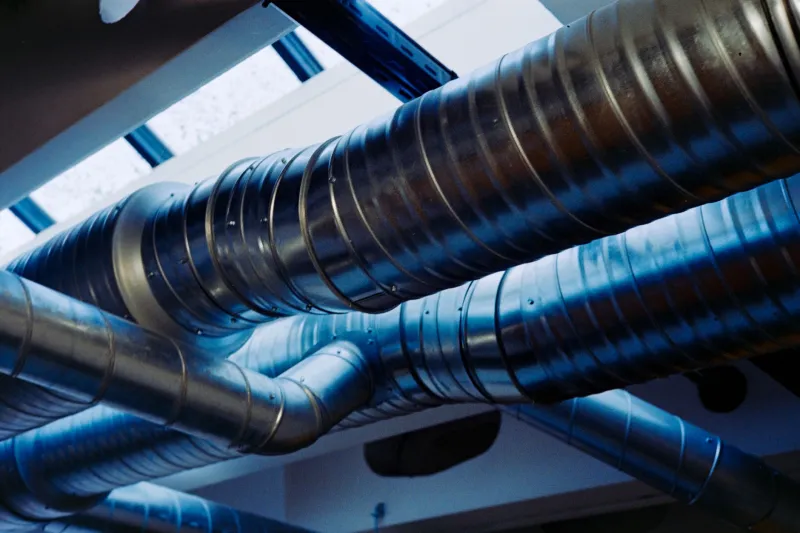
Ductwork located in unconditioned attic spaces compounds the problem further. Even well-insulated ducts lose conditioned air to the surrounding heat before it ever reaches your living areas. Studies have estimated that duct losses in unconditioned spaces can account for 20 to 30 percent of total cooling energy—a staggering inefficiency that homeowners rarely connect to their installation location.
Beyond heat, attics are frequently entry points for pests. Rodents and insects can compromise insulation, chew through wiring, and nest inside equipment in ways that cause gradual but serious damage. Attic humidity levels also fluctuate considerably, which can promote condensation on coils and contribute to mold growth within the system.
Crawlspaces: Hidden Humidity and Structural Challenges
In parts of the country where full basements are uncommon—particularly the Southeast and Mid-Atlantic—crawlspace installations are a practical reality. Equipment tucked beneath the floor joists saves interior square footage and provides relatively easy access for ductwork routing. But crawlspaces introduce a different category of environmental threats.
Humidity is the defining challenge. Crawlspaces are often poorly ventilated and subject to ground moisture intrusion, creating conditions where relative humidity can remain persistently high. For HVAC equipment, chronic humidity exposure accelerates rust on metal components, degrades electrical connections, and creates ideal conditions for mold to colonize drain pans, coils, and ductwork interiors. Mold that originates in a crawlspace-mounted air handler does not stay there—it circulates throughout every room in the house.
Pest intrusion is, if anything, a greater concern in crawlspaces than in attics. Rodents, insects, and even snakes frequently inhabit these spaces, and HVAC equipment provides warmth and shelter that attracts them. Chewed refrigerant lines, damaged insulation, and blocked drain lines are among the more common consequences.
Temperature extremes matter here as well, though the concern shifts seasonally. In colder climates, crawlspaces can drop to near-freezing temperatures in winter, stressing heat pump components and making refrigerant behavior unpredictable.
Garages: A Compromise With Conditions
Garage installations offer a middle ground that appeals to many builders and contractors. The space is accessible, typically conditioned only partially, and keeps equipment away from living areas without the extreme temperature swings of an attic. However, garages present their own set of concerns that are frequently underestimated.
Garages are not sealed environments. Vehicle exhaust, gasoline vapors, lawn chemicals, and other contaminants circulate freely through garage air. If an air handler draws return air from or near a garage space, those contaminants can be distributed throughout the home—a health and safety concern that goes well beyond comfort.
Temperature regulation in a garage is also inconsistent. In many regions, garages experience significant cold in winter and substantial heat in summer, neither of which is ideal for HVAC equipment that functions best within moderate ambient conditions. Humidity from vehicle entry and door cycling adds further variability to the operating environment.
What Proper Placement Actually Looks Like
Given the challenges associated with each of these locations, what constitutes a well-considered installation? The answer depends on the home's construction, regional climate, and available space—but several principles apply broadly.
Conditioned space is always preferable. When HVAC equipment is located within the thermal envelope of the home—in a dedicated mechanical closet, a conditioned basement, or an interior utility room—it operates in a stable environment that mirrors the conditions it is designed to serve. Equipment in conditioned space is not fighting extreme temperatures, is naturally protected from outdoor humidity and pests, and is more accessible for routine maintenance.
When attic or crawlspace installation is unavoidable, mitigation becomes essential. In attics, this means properly air-sealing and insulating the attic floor, using high-quality duct insulation rated for extreme temperature differentials, and ensuring the attic is as well-ventilated as possible to reduce peak temperatures. In crawlspaces, encapsulation—sealing the crawlspace with a vapor barrier and conditioning the air within it—dramatically reduces moisture-related risks.
Duct placement deserves as much attention as equipment placement. Even if the air handler is located in a conditioned space, ducts that run through unconditioned areas will lose efficiency. Keeping duct runs short, within conditioned space wherever feasible, and properly insulated where they must pass through unconditioned areas is critical to realizing the full efficiency of any system.
The Long-Term Consequences of Getting It Wrong
A system installed in a problematic location does not fail overnight. The deterioration is gradual—slightly higher energy bills, slightly shorter equipment lifespan, slightly more frequent service calls. Homeowners often attribute these symptoms to equipment age or normal wear without recognizing that the installation environment is the underlying cause.
Over the course of a system's expected 15- to 20-year lifespan, the compounded costs of poor placement can be substantial. Increased energy consumption, accelerated component replacement, and early full-system replacement represent real financial consequences that could have been avoided or significantly reduced with more thoughtful initial placement.
A Decision Worth Getting Right
If you are planning a new HVAC installation or replacing existing equipment, location should be part of the conversation from the beginning—not an afterthought. Ask your contractor to explain where the equipment will be placed and why, what measures will be taken to protect it from environmental conditions in that location, and what alternatives exist if the proposed location presents known risks.
At Mast Air Conditioning, our approach to installation begins with a thorough assessment of your home's layout and the environments available for equipment placement. The goal is not simply to get the equipment running—it is to ensure that it runs well, efficiently, and reliably for as long as possible. Where your system lives matters. Make sure that decision receives the attention it deserves.