What's Happening in Your Attic Right Now: How Airflow Imbalances Quietly Destroy Insulation and Drive Up Heating Costs
The Problem You Can't See From the Living Room
When a homeowner notices their heating bill climbing in January, the instinct is to check the thermostat, inspect the windows, or blame the weather. Rarely does anyone climb into the attic to investigate. That oversight can be costly.
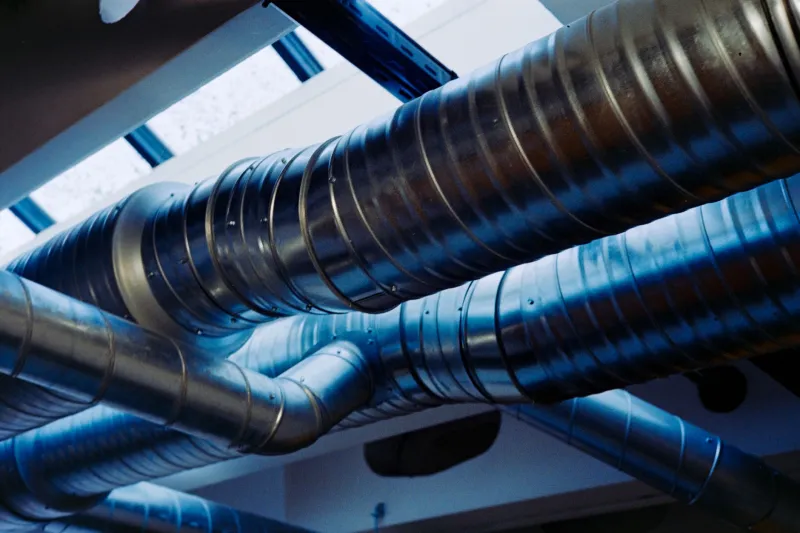
Inadequate or poorly designed HVAC ductwork creates pressure imbalances throughout a home's air distribution system. When those imbalances go unaddressed, they don't simply reduce comfort — they actively undermine the structural energy efficiency of the building itself, starting with one of its most critical thermal barriers: attic insulation.
Understanding how this happens requires a brief look at the science of air pressure and heat transfer. Once that's clear, the warning signs become far easier to recognize.
How Pressure Imbalances Form in the First Place
Every HVAC system moves air in a continuous loop — conditioned air is pushed through supply ducts into living spaces, and return ducts pull that air back to the air handler to be heated or cooled again. When this loop is properly balanced, air pressure throughout the home remains relatively neutral.
When ductwork is undersized, poorly sealed, or improperly laid out, that balance breaks down. Rooms served by supply ducts but lacking adequate return pathways become positively pressurized. The air inside them has nowhere to go, so it finds its own exit — through electrical outlets, recessed light fixtures, gaps in drywall, and the countless small penetrations that connect conditioned living space to unconditioned attic space.
This phenomenon is known as exfiltration, and it is far more common than most homeowners realize. The U.S. Department of Energy has estimated that duct leakage alone can account for 20 to 30 percent of the energy used by a forced-air HVAC system. A portion of that loss travels directly into the attic.
What Happens to Insulation When Warm Air Enters the Attic
Attic insulation is designed to resist the movement of heat through a static layer of material. Blown-in fiberglass, cellulose, and mineral wool all function on the same basic principle: trapped air pockets slow thermal transfer. That principle depends on the insulation remaining dry and undisturbed.
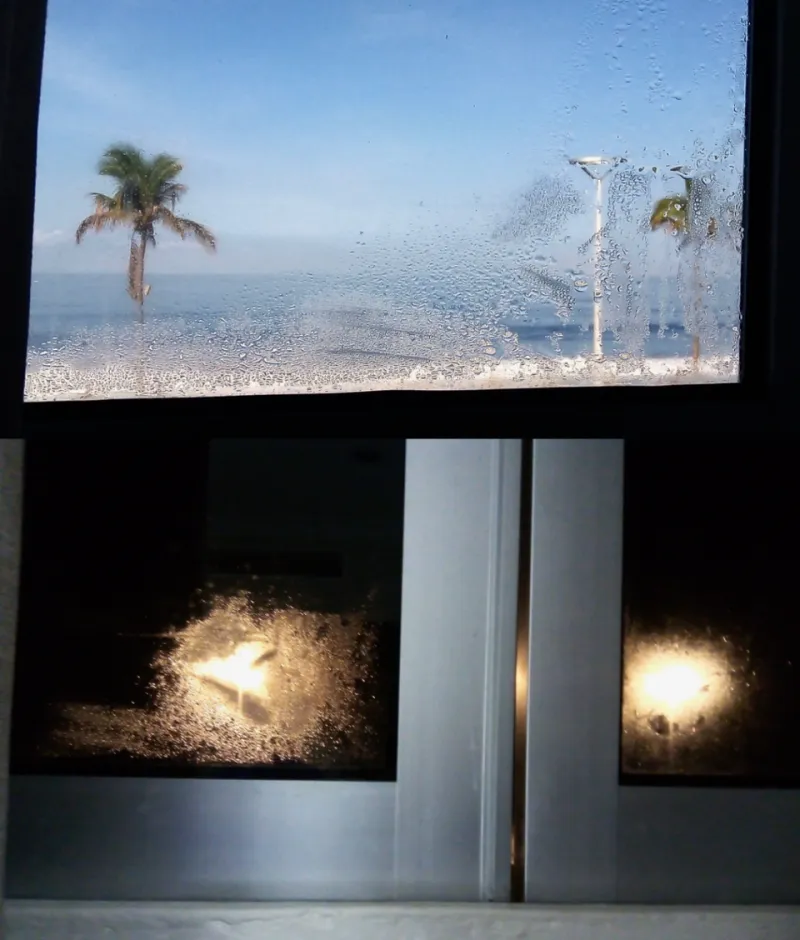
When warm, moisture-laden air from the living space infiltrates the attic during winter months, it carries humidity into an environment that is significantly colder. As that air cools, moisture condenses — sometimes visibly as frost on roof sheathing, and sometimes invisibly as dampness absorbed into insulation batts or loose-fill material.
Wet insulation loses a dramatic portion of its thermal resistance. A fiberglass batt rated at R-19 when dry can perform at a fraction of that value when saturated. Over successive heating seasons, repeated moisture cycles compact loose-fill insulation, cause batts to sag away from the framing they're meant to insulate, and in severe cases, promote mold growth in areas that homeowners almost never inspect.
The result is a home that requires its HVAC system to work significantly harder to maintain the same interior temperatures — and a heating bill that reflects that extra effort.
The Role of Ductwork Design in Creating or Preventing the Problem
Not all HVAC installations are created equal. In many homes — particularly those built before modern energy codes became standard — ductwork was sized and routed with airflow volume in mind, but not necessarily with pressure balancing as a priority. Builders and contractors optimized for installation speed and material cost, not long-term energy performance.
Common design flaws that contribute to attic insulation degradation include:
- Insufficient return air capacity. When a system has too few return vents or return ducts that are too small, positive pressure builds in occupied rooms and forces air toward attic penetrations.
- Duct runs that terminate too close to attic bypasses. Supply registers positioned near recessed lighting or ceiling fans can direct airflow toward the very gaps most likely to allow exfiltration.
- Unsealed duct connections in unconditioned spaces. Ducts routed through attics that leak conditioned air directly into that space create a continuous source of moisture and thermal disruption.
- Missing or inadequate air sealing at the ceiling plane. Even a well-balanced duct system can allow air bypass if the ceiling itself has not been properly sealed before insulation was installed.
Warning Signs Worth Taking Seriously
Because attic insulation damage develops gradually, homeowners often don't connect the dots until the problem has progressed significantly. There are, however, observable warning signs that warrant a professional evaluation:
Heating bills that increase year over year without a clear explanation. If your home's square footage, occupancy, and thermostat settings haven't changed but your winter energy costs keep climbing, insulation performance may be degrading.
Rooms that feel drafty despite closed windows. Persistent drafts in upper-floor rooms, particularly near ceiling fixtures or exterior walls, can indicate that conditioned air is escaping rather than circulating properly.
Visible frost or moisture staining on attic sheathing. If a visual inspection of the attic reveals moisture damage, discoloration, or compressed insulation near ceiling penetrations, exfiltration is a likely contributor.
Uneven temperatures between floors. Upper floors that are consistently harder to heat than lower floors may indicate that warm air is escaping into the attic before it can contribute to heating the space it was meant to serve.
What a Professional Assessment Involves
A qualified HVAC technician can evaluate airflow distribution using diagnostic tools that go beyond a visual inspection. Blower door testing, duct leakage testing, and static pressure measurements provide a data-driven picture of how air is actually moving through your home — and where it's going when it shouldn't.
From there, solutions may include duct sealing with mastic compound or metal-backed tape, the addition of return air pathways, or a full duct system redesign in cases where the original installation was fundamentally inadequate. Air sealing at the ceiling plane — performed before any insulation work — is often a critical companion step.
The investment in these corrections typically pays for itself through reduced heating and cooling costs within a few years, while also extending the service life of the HVAC equipment by reducing the strain under which it operates.
A Problem Worth Addressing Before Another Winter Arrives
The attic is easy to ignore. It's out of sight, rarely visited, and seldom thought of as part of the home's mechanical system. But for homes with forced-air HVAC, the attic is a critical interface between the system's performance and the building's energy efficiency.
Poor airflow distribution doesn't just make rooms uncomfortable — it quietly erodes one of the most important defenses your home has against winter heat loss. Addressing it is not a luxury upgrade. It is fundamental maintenance for any home that relies on a forced-air system to stay warm.
If your heating costs have been trending in the wrong direction, the answer may be directly above your head.