What's Quietly Draining Your HVAC System—And Inflating Your Energy Bills

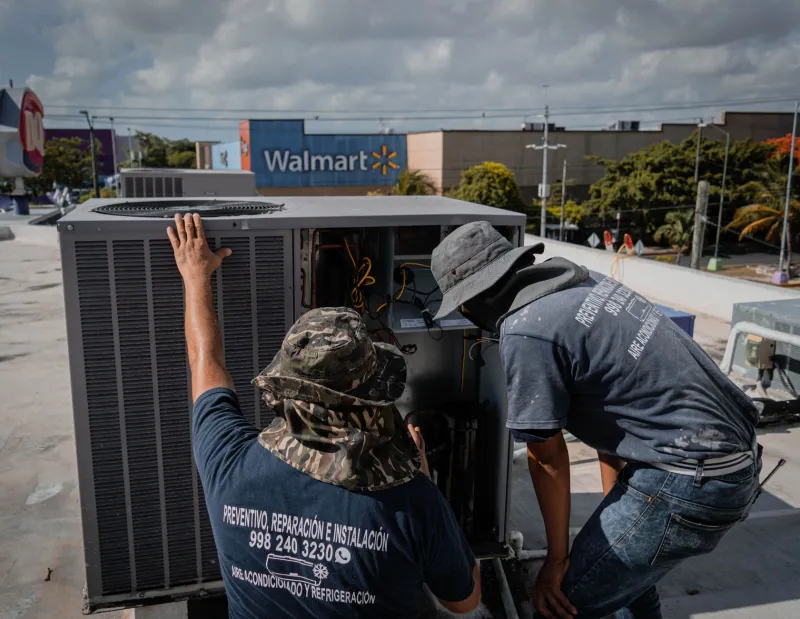
Photo by Photo by Anton Ryazanov on Unsplash on Unsplash
When summer arrives and energy bills begin their seasonal climb, most people assume the heat is simply to blame. That reasoning is understandable—but incomplete. In many cases, the real culprit is not the outdoor temperature. It is the HVAC system itself, quietly hemorrhaging efficiency through a handful of overlooked problems that accumulate unnoticed until the invoice arrives.
At Mast Air Conditioning, we have seen this pattern repeat itself across countless residential and commercial properties throughout the years. The good news is that identifying these inefficiencies early can prevent minor issues from becoming major—and expensive—repairs.
The Refrigerant Leak You Cannot See or Smell
Refrigerant is the substance that makes cooling physically possible. When the level drops—typically due to a slow leak rather than normal consumption—your system must work considerably harder to achieve the same indoor temperature. The compressor strains, run times lengthen, and energy consumption rises accordingly.
Refrigerant leaks do not announce themselves with obvious warning signs. You may notice that your home or office takes longer to reach the thermostat setpoint, or that the air coming from the vents feels less cold than it once did. Some systems will cycle on and off more frequently in an attempt to compensate.
A licensed HVAC technician can perform a pressure test and refrigerant charge evaluation to determine whether a leak is present. This is not a do-it-yourself diagnostic—handling refrigerant requires EPA certification—but recognizing the symptoms early allows you to schedule service before the problem escalates.
Dirty Air Filters: A Surprisingly Significant Drain
Few maintenance tasks are as straightforward as replacing an air filter, yet this is among the most commonly neglected items on a homeowner's checklist. A filter clogged with dust, pet dander, and debris does not simply reduce air quality—it creates a physical restriction that forces your blower motor to work harder to move air through the system.
The Department of Energy has noted that a dirty filter can increase energy consumption by as much as 5 to 15 percent. For a system running six to eight hours a day during peak summer months, that figure translates into a meaningful dollar amount over the course of a billing cycle.
As a general rule, standard one-inch filters should be inspected monthly and replaced every 30 to 90 days depending on household conditions. Homes with pets or allergy sufferers typically require more frequent changes. Thicker media filters may last longer but should still be checked regularly.
Ductwork: The Hidden Pathway for Energy Loss
Even a well-maintained HVAC unit cannot compensate for a compromised duct system. Studies conducted by the Environmental Protection Agency suggest that the average American home loses between 20 and 30 percent of conditioned air through leaks, gaps, and poorly insulated ductwork before it ever reaches a living space.
In commercial buildings, this figure can be equally significant depending on the age and configuration of the system. Conditioned air escaping into unconditioned attics, crawl spaces, or wall cavities represents money spent on cooling space that is never occupied.
Signs of duct-related inefficiency include uneven temperatures from room to room, excessive dust accumulation near vents, and utility bills that seem disproportionate to usage. A professional duct inspection—which may include pressure testing and thermal imaging—can pinpoint exactly where losses are occurring and inform a targeted repair strategy.
Aging or Improperly Calibrated Thermostats
The thermostat functions as the command center of your entire HVAC system. When it operates inaccurately—reading temperatures incorrectly or communicating imprecise signals to the equipment—the system responds accordingly, often running longer or cycling more frequently than necessary.
Older mechanical thermostats are particularly susceptible to calibration drift over time. Even programmable digital models can develop issues if they are positioned near heat-generating appliances, in direct sunlight, or in areas with inconsistent airflow.
Upgrading to a smart thermostat offers multiple benefits beyond simple scheduling convenience. These devices learn usage patterns, adjust automatically based on occupancy, and provide detailed energy reports that help identify consumption anomalies. For commercial clients managing multiple zones, programmable controls represent one of the most cost-effective efficiency investments available.
Neglected Coils and Restricted Airflow Around the Outdoor Unit
The condenser unit positioned outside your building plays a critical role in releasing heat absorbed from the interior. When the coils on this unit become coated with dirt, grass clippings, or other debris, heat transfer is impaired. The system must run longer to accomplish the same cooling output, and the compressor—already one of the most energy-intensive components—bears the brunt of that additional demand.
A clearance of at least two feet should be maintained around the outdoor unit on all sides. Vegetation should be trimmed back regularly, and the coil fins should be professionally cleaned at least once per year as part of a comprehensive maintenance visit. Bent fins, which restrict airflow through the coil, can be carefully straightened using a fin comb—a task best left to a qualified technician to avoid damaging the refrigerant lines.
Oversized or Undersized Equipment
One energy drain that predates the current season is an HVAC system that was never properly sized for the space it serves. A unit that is too large will cool a space rapidly but shut off before completing a full dehumidification cycle—leaving the air feeling clammy and cycling on again shortly thereafter. This short-cycling wastes energy and accelerates mechanical wear.
Conversely, a unit that is too small runs continuously without ever reaching the desired setpoint, consuming energy at a constant rate while providing inadequate comfort.
If your system was installed without a proper Manual J load calculation—a standardized method for determining the correct equipment size based on square footage, insulation levels, window area, and local climate—there is a reasonable chance it may not be appropriately matched to your building. A professional assessment can confirm whether replacement or supplemental equipment is warranted.
Taking a Diagnostic Approach Before Summer Peaks
Rather than waiting for a dramatic spike in your utility bill, there are several steps you can take to assess your system's efficiency proactively. Begin with a visual inspection of your air filter, outdoor unit, and visible ductwork. Note any unusual sounds during operation, uneven temperatures between rooms, or longer-than-typical cooling cycles.
Next, compare your current utility bills against the same billing period in prior years. A meaningful increase without a corresponding change in usage habits or square footage suggests that efficiency has declined somewhere in the system.
For a thorough evaluation, scheduling a professional maintenance inspection remains the most reliable course of action. A certified technician will measure refrigerant charge, inspect electrical connections, test thermostat calibration, evaluate airflow, and identify any mechanical wear that may be compromising performance.
The Cost of Inaction
Every inefficiency described above shares a common characteristic: it worsens gradually. A small refrigerant leak becomes a larger one. A dirty coil becomes a failed compressor. An aging thermostat contributes to hundreds of unnecessary runtime hours. The cumulative financial impact of deferred maintenance consistently exceeds the cost of addressing problems when they are first identified.
At Mast Air Conditioning, our maintenance programs are designed specifically to catch these issues before they compound. Whether you manage a single-family home or a multi-unit commercial property, our technicians bring the diagnostic expertise and equipment necessary to restore your system to peak operating efficiency—and keep it there throughout the season.
If your energy bills have been trending upward without an obvious explanation, the answer is likely inside your HVAC system. Contact Mast Air Conditioning to schedule a comprehensive evaluation and take the first step toward meaningful, measurable savings.